Avoid hidden charges in Hoxton rubbish removal quotes
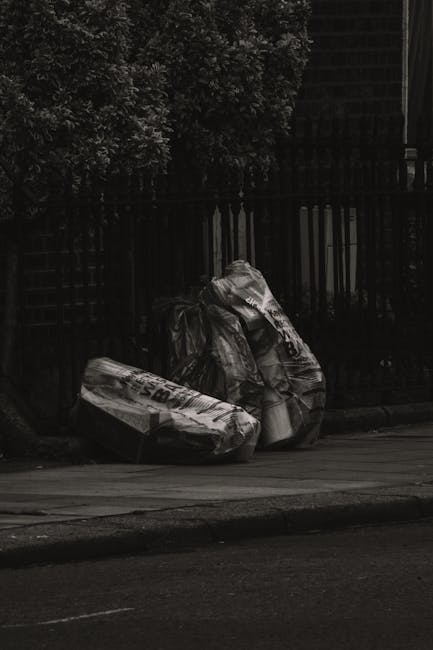
If you have ever compared rubbish removal quotes and thought, "That looks fine... but what happens next?", you are not alone. Hidden charges can turn a simple clear-out into an irritating expense, especially when you are juggling a flat move, a loft clear-out, or a pile of builder's waste that seemed smaller yesterday. The good news is that you can avoid hidden charges in Hoxton rubbish removal quotes with a bit of know-how, the right questions, and a properly detailed estimate. This guide breaks it all down in plain English, so you can spot vague pricing, compare quotes fairly, and book with confidence rather than crossing your fingers.
Hoxton is busy, tight on space, and often awkward for access. That makes clear pricing even more important. One missed detail can be enough to change the final bill. Let's make sure that does not happen.
Why avoiding hidden charges matters
Hidden charges are more than an annoyance. They undermine trust, make budgeting harder, and usually show that the quote was not carefully assessed in the first place. If a company gives you a low headline price and then adds charges for stairs, access, item type, waiting time, congestion, or "extra labour" after the job starts, the final bill can rise quickly. And once the rubbish is already on the van, you are not in a strong negotiating position. Bit awkward, really.
In a place like Hoxton, where properties vary from compact flats and converted warehouses to busy offices and older terraces, pricing should reflect the real job. A fair quote should be shaped by load size, type of waste, access, lifting effort, and disposal requirements. If those things are not discussed upfront, the final price is guesswork dressed up as a quote.
There is also a practical side. Clear pricing helps you plan the rest of your day. You know whether you can fit the clearance around a work call, a move-out deadline, or a landlord inspection. That matters when time is tight and the hallway is already full of boxes, a wonky lamp, and a sofa that somehow got heavier overnight.
Expert summary: the safest rubbish removal quote is not the cheapest one on the page. It is the one that clearly explains what is included, what could change the price, and what happens if the job turns out bigger than expected.
How rubbish removal quotes work
A proper rubbish removal quote usually starts with a description of what you need collected. That might be a single bulky item, mixed household waste, builders' rubble, office clearance waste, or a full flat clearance. Some companies quote from photos, some via a quick phone call, and others may prefer an on-site assessment for larger or more awkward jobs.
The quote should ideally set out the main cost drivers. Those often include:
- Volume or load size
- Type of waste
- Weight or heavy-item handling
- Access difficulties such as stairs, narrow hallways, or parking constraints
- Labour time, especially for sorting or dismantling
- Special disposal requirements for certain waste streams
That does not mean every quote needs to be long and complicated. It just needs to be clear. If you are looking at a package for a waste removal job, the basic question is simple: what exactly is included in the price, and what is not?
For example, someone clearing a one-bedroom flat in Hoxton might get one price if the waste is neatly bagged on the ground floor, but a different price if the same load has to be carried down three flights of stairs with no lift and no parking nearby. That is normal. Surprise pricing later is the problem.
Key benefits and practical advantages
Keeping quotes transparent has several benefits that go beyond saving money on the day.
- Better budgeting: you can plan the total cost properly instead of bracing for add-ons later.
- Less stress: there is no last-minute argument at the doorstep, which, to be fair, nobody wants.
- Faster decision-making: transparent quotes are easier to compare like-for-like.
- Fewer service disputes: clear terms reduce misunderstandings about access, loading, or disposal.
- Better value: a slightly higher quote with everything included can be cheaper than a low quote with extras.
There is also an environmental and operational benefit. Companies that price jobs clearly are often better at planning collection routes, disposal methods, and sorting. That can support more efficient recycling and fewer wasted journeys. If sustainability matters to you, it is worth looking at the provider's approach to recycling and sustainability as part of the overall decision.
And if you are getting rid of something awkward, like an old mattress, fridge, or sofa, clarity matters even more because not all waste is handled the same way. A quote for mattress and sofa disposal or fridge and appliance removal should be specific about any handling or disposal requirements.
Who this is for and when it makes sense
This advice is useful for almost anyone arranging clearance in Hoxton, but it is especially relevant if you are:
- Moving out of a flat and need a fast, clean handover
- Clearing a home after a long period of accumulation
- Removing bulky furniture or appliance waste
- Handling office, shop, or business waste
- Planning builders' waste removal after a renovation
- Managing a garage, loft, or garden clearance where the job size may be easy to underestimate
It also makes sense if you are comparing services and trying to decide between a same-day clearance, a booked collection, or a more general pricing and quotes page before you commit. The more varied the load, the more likely hidden extras can creep in if the quote is rushed.
A real-world example? A landlord clearing out a flat after tenants leave may assume the job is "just a few bags and a chair." Then someone opens the storage cupboard and finds broken shelving, a mattress, two drawers, and a half-dismantled bed frame. That is exactly where unclear pricing starts to bite.
Step-by-step guidance
If you want a quote that stays honest from start to finish, work through the process in this order.
- List everything that needs to go. Do not round down. Include awkward bits, mixed waste, and anything hidden in cupboards, balconies, or storage areas.
- Take clear photos. Wide shots are useful, but close-ups help too. Show stairs, lifts, parking access, and anything that might slow the team down.
- Describe the access honestly. If the van cannot park outside, say so. If there is no lift, say that too. This is not the moment to be optimistic.
- Ask what is included. Labour, loading, disposal, congestion-related waiting, and recycling costs should all be addressed in plain language.
- Check for exclusions. Some items may need separate handling. Hazardous materials, certain appliances, and specific waste types often need special treatment.
- Request the quote in writing. A message or email is much easier to refer back to than a phone conversation you half-remember while standing in a corridor.
- Confirm the job assumptions. If the quote is based on the waste being on the ground floor, make sure that is clearly stated.
- Ask what triggers a price change. A fair company will explain this upfront, not spring it on you after loading begins.
If you are dealing with a full property clear-out, useful related pages like flat clearance, house clearance, and home clearance can help you understand the kind of service structure you are likely to need.
Expert tips for better results
Over time, a few habits make a big difference.
Be more specific than you think is necessary. The phrase "a few bits of junk" is not very helpful. "Four black bags, one wardrobe, one mattress, one desk, and broken kitchen shelving" is much better. A quote is only as reliable as the information behind it.
Use photos with scale. A clear picture beside a bin, a chair, or a doorway gives a better sense of size. It sounds obvious, but people often send one blurry image from a weird angle and then wonder why the quote shifts later.
Check access as if you were carrying the items yourself. Narrow stairs, low ceilings, locked gates, and awkward parking spots all matter. In Hoxton, that can be the difference between a tidy collection and a longer, more labour-heavy job.
Ask whether disassembly is included. A wardrobe, bunk bed, or office desk can take time to dismantle safely. If that work is extra, you should know before the job starts. The same logic applies to office clearance and furniture clearance.
Compare like for like. One company might quote a lower headline price but exclude stair carrying, while another includes it. Those quotes are not truly equal, even if they look similar at first glance.
Keep the original quote message. It is a small thing, but when a disagreement appears, having the original wording helps a lot. Email, text, or message screenshots are your friend here.
One more thing: if a quote is extremely vague, that vagueness is often the warning sign. Not always, but often enough.
Common mistakes to avoid
Most hidden charges are avoidable if you steer clear of these common errors.
- Choosing only on headline price: the cheapest quote is rarely the cheapest final bill.
- Leaving items out of the description: "Oh, there's also a sofa" can change the job quite a bit.
- Assuming stairs or parking are included: do not assume. Ask.
- Not checking special waste categories: appliances, builders' waste, and potentially hazardous items may need separate handling.
- Failing to ask about labour time: if sorting or dismantling is involved, pricing should reflect that.
- Accepting a verbal quote with no detail: this is where misunderstandings breed.
There is also a quiet mistake people make when they are in a rush: they forget to mention the "small" extra pile in the cupboard or behind the shed. Those little omissions are exactly how a quote grows. Not dramatically, maybe, but enough to sting.
If your job includes outdoor waste or a mix of household and garden items, it helps to review pages such as garden clearance, garage clearance, and loft clearance so you can judge the right service type before asking for numbers.
Tools, resources and recommendations
You do not need fancy tools to avoid hidden charges. A phone, a notes app, and a bit of discipline will do the job nicely.
- Photo checklist: take pictures of the waste, access route, stairs, parking, and any bulky items from more than one angle.
- Written inventory: a short list of items is often enough to stop misunderstandings.
- Message thread or email: use one place to keep the quote details together.
- Property measurements: if access is tight, rough measurements of doorways or stair widths can help.
- Terms page: read the provider's terms and conditions before booking so you know what the service expects from both sides.
For certain jobs, a little extra reading can prevent hassle later. If you are disposing of a fridge, for instance, make sure the quote covers removal and treatment properly. If you are handling confidential paperwork, check whether a dedicated confidential shredding service is more appropriate than mixing documents into general waste.
And if your concern is security or payment reassurance, the payment and security information can help you understand how a provider handles transactions. That is a small detail, but a reassuring one.
Law, compliance, standards and best practice
When rubbish removal is handled in the UK, there are some broader compliance and best-practice expectations worth keeping in mind. You do not need to become a legal expert, thankfully, but you should expect any responsible operator to handle waste lawfully and safely.
In practical terms, that means:
- Waste should be transported and disposed of appropriately.
- Items should be sorted and handled in a way that supports recycling where possible.
- Potentially hazardous materials should not be mixed casually with general rubbish.
- Safety procedures should be followed when lifting, loading, and moving bulky items.
For business customers, this is especially important. Office and commercial waste often includes mixed materials, electronics, documents, and items that need separate handling. A page like business waste removal can be useful when you need a structured service rather than a one-off ad hoc collection.
Best practice also includes clear insurance and safety arrangements. If a company is handling heavy furniture down a narrow stairwell, you want to know they have thought through risk properly. Their insurance and safety information should give you confidence, not more questions.
For renovation waste, builders' debris, and mixed construction material, the right service matters even more. A quote for builders' waste clearance should be explicit about what types of rubble or offcuts are accepted and whether the price changes with load composition.
In short: good providers make compliance look calm and ordinary. That is a sign things are being handled properly.
Options, methods and comparison table
There is more than one way to remove rubbish, and each approach has different pricing risks. Choosing the right one can help you avoid surprise charges.
| Method | Best for | Common hidden-charge risk | What to check first |
|---|---|---|---|
| Photo-based quote | Smaller to medium loads, straightforward access | Access not shown clearly, extra lifting, under-described items | Send wide shots and mention stairs, parking, and bulky items |
| Phone quote | Simple jobs where the waste type is obvious | Details missed in conversation, assumptions about load size | Repeat the full job back to the provider and ask for written confirmation |
| On-site estimate | Larger or more complicated clearances | Less of a surprise later, but still worth confirming exclusions | Ask what will be checked and whether the final quote is fixed |
| Service-specific quote | Furniture, office, flat, loft, garden, or appliance jobs | Assuming all items are treated the same | Match the service to the waste type before accepting the price |
If you are removing one specific item, a dedicated page like furniture disposal or mattress and sofa disposal may be more suitable than a broad general quote. That usually makes pricing clearer too.
Case study or real-world example
A small Hoxton flat clear-out is a good example of how hidden charges creep in. Imagine a tenant moving out on a Friday afternoon. The job looks modest: a wardrobe, a broken desk, a mattress, two bags of general waste, and some kitchen bits. The first quote sounds attractive because it is based on photos from the hallway. Easy enough, right?
Then the team arrives and discovers the wardrobe is still assembled, the mattress is wedged in a bedroom with a tight turn, the lift is out of service, and the van cannot stop directly outside because of street activity. Suddenly the job is not the simple collection everyone expected.
A better outcome would have happened if the customer had mentioned the lift issue, the access route, and the fact that the wardrobe needed dismantling. A clear quote would then have had the chance to account for those details from the start. Maybe the price would still have been perfectly fair. The point is that it would have been honest.
That is the real lesson here. Most "hidden charges" are actually hidden details. Once they are visible, pricing becomes much easier to trust.
Practical checklist
Use this quick checklist before you accept any Hoxton rubbish removal quote.
- Have I listed every item that needs to go?
- Have I explained access clearly, including stairs, lifts, gates, and parking?
- Have I asked whether labour, loading, disposal, and recycling are included?
- Have I checked whether bulky or awkward items need extra handling?
- Have I mentioned any special waste types or potentially sensitive items?
- Have I asked what could cause the final price to change?
- Have I requested the quote in writing?
- Have I compared the quote with at least one other offer on the same basis?
- Have I read the key terms before booking?
- Do I feel confident the company has been clear, not just cheap?
If you tick most of those boxes, you are already ahead of many people. Honestly, that is half the battle.
Get a free quote today and see how much you can save.
Conclusion
To avoid hidden charges in Hoxton rubbish removal quotes, focus on clarity, detail, and written confirmation. Describe the waste properly, explain access honestly, and ask exactly what is included before you agree to anything. That simple habit protects your budget, reduces stress, and makes the whole process feel much more professional.
When a quote is transparent, the rest of the job usually feels easier too. You know where you stand, the crew knows what to expect, and the clearance gets done without that awkward moment where everyone is suddenly discussing "extras." And let's face it, nobody wants that on a busy day in Hoxton.
If you want to learn more about the service approach, useful support pages such as about us and contact us can help you understand who you are dealing with before you book. A little preparation now can save a lot of hassle later. Simple, really.
Frequently Asked Questions
How do I know if a rubbish removal quote has hidden charges?
Look for vague wording, missing details, and any lack of explanation around access, labour, disposal, or item type. If the quote only gives one number with no context, ask for a breakdown.
What should be included in a fair Hoxton rubbish removal quote?
A fair quote should normally explain the waste type, load size, labour, collection method, and any conditions that could change the price. It should also state whether disposal and recycling are included.
Are stair charges common in rubbish removal?
They can be, especially where there is no lift or access is awkward. The key is not whether extra labour is ever charged, but whether you are told about it before the job starts.
Can a company change the quote on arrival?
They can only do that fairly if the real job is materially different from what was described. If you gave accurate information and the quote was confirmed in writing, any change should be explained clearly.
Is the cheapest quote usually the best option?
Not necessarily. The cheapest quote may leave out important details like loading, parking, or specific item handling. A slightly higher but fully inclusive quote can be better value.
Should I send photos before getting a quote?
Yes, photos are often the easiest way to reduce confusion. Try to show the items, the space around them, and the access route so the quote reflects the real job.
Do special items like fridges or mattresses cost more to remove?
Often, yes, because they can require different handling or disposal arrangements. That is why it helps to use service-specific pages such as fridge and appliance removal or mattress and sofa disposal when relevant.
What is the safest way to compare two rubbish removal quotes?
Compare them on the same basis: same list of items, same access details, same timing, and same waste type. If one quote looks lower, check whether it excludes something the other one includes.
Do I need a written quote?
Strongly, yes. Written confirmation helps prevent disputes and gives you something to refer back to if the price changes or the scope is questioned later.
Can hidden charges happen with flat clearances too?
Yes. Flat clearances often involve stairs, lifts, parking, and mixed waste, which makes detailed quoting especially important. A full flat clearance should always be described carefully.
What if I do not know how much rubbish I have?
Take photos and give an honest rough description. If you are unsure, say so. A good provider can usually help estimate the load, but they still need enough detail to avoid surprises.
How can I reduce the chance of price changes on the day?
Be precise about what is being removed, note access issues, and ask what would trigger an adjustment. The more complete your information is upfront, the less likely a change becomes.
Where can I find more information about safe and transparent service practices?
Useful pages to review include insurance and safety, payment and security, and complaints procedure if you want to understand how issues are handled.