
Health and Safety Policy — Flat Clearance Hoxton
This document sets out the formal health and safety policy for Flat Clearance Hoxton and describes the standards and procedures that govern our flat clearance and rubbish removal operations within our rubbish company service area. It is designed to ensure that waste clearance, rubbish collection and related activities are carried out with minimal risk to employees, subcontractors, customers and the public. The policy is proportionate to the scale of our operations and reflects our commitment to comply with applicable health and safety obligations, implement risk control measures and promote a positive safety culture across all waste clearance activities.Scope and Objectives
The policy applies to all staff, contractors and any third parties engaged in our flat clearance service. Our objectives are to: maintain a safe working environment; reduce the risk of injury and occupational illness during rubbish removal and waste disposal tasks; ensure safe handling of bulky waste and hazardous materials; and provide adequate training and equipment for tasks within the service area. The approach is precautionary, focusing on proactive risk assessment, appropriate supervision and continuous improvement in line with best practice for rubbish collection and disposal.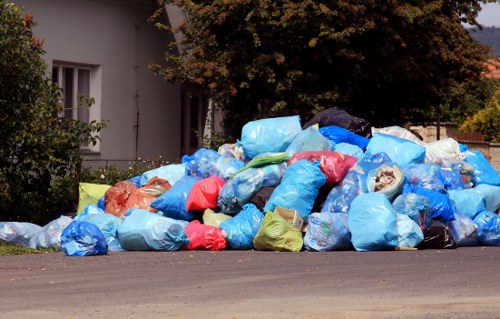
Legal and Organisational Commitments
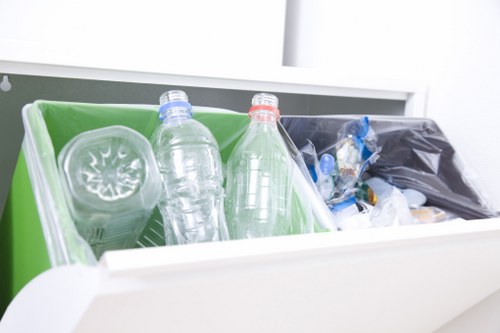
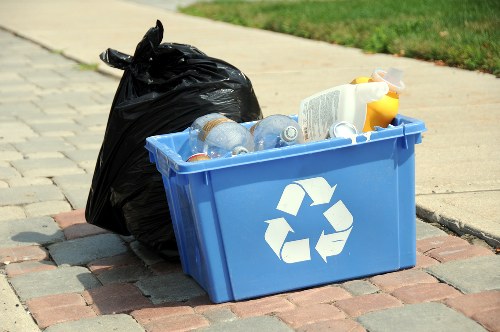
Flat Clearance Hoxton will meet its legal duties by ensuring compliance with relevant statutory requirements and by following recognised safe working methods for rubbish clearance. Responsibilities are clearly allocated: senior management is accountable for policy implementation and resource allocation; supervisors oversee day-to-day safety; and employees must follow instructions and report hazards. We emphasise that safety is a shared responsibility, and that anyone engaged in waste clearance work must cooperate with controls and procedures implemented across the service area.All operations start with documented risk assessments and method statements tailored to specific flat clearance tasks and site conditions. These assessments identify hazards such as manual handling risks, slips, trips and falls, sharp objects, biological contaminants, and potential exposure to hazardous materials. Controls include mechanical aids, team lifting protocols, exclusion zones, safe transit routes for rubbish collection vehicles and clear segregation of general waste and recyclable materials. Risk control measures will be reviewed whenever there is a change in method, equipment or work environment.
 Training, competence and supervision are central to safe service delivery. Personnel engaged in waste clearance will receive induction training, periodic refresher instruction and task-specific guidance. Supervision levels are proportionate to experience and task complexity. Personnel records will document training, licences and medical fitness where relevant. The organisation will ensure that subcontractors engaged for rubbish removal or specialised disposal provide evidence of their competence and operate under equivalent safety arrangements.
Personal protective equipment (PPE) will be provided and maintained in accordance with assessed risks. Typical items include gloves, safety footwear, high-visibility clothing, eye protection and respiratory protection where dust or bioaerosol risks are identified. Equipment and vehicles used for rubbish removal will be subject to routine inspection and maintenance regimes. The policy promotes the use of appropriate waste handling tools and compacting equipment only where safe to do so and in accordance with manufacturers' guidance.
Operational controls extend to vehicle safety, site logistics and public protection. Drivers and loaders will follow safe loading procedures, secure loads appropriately and adhere to permitted routes and parking rules to minimise risk to pedestrians and other road users. For large or complex clearances, temporary signage, barriers and safe access provisions will be established. The organisation will monitor environmental considerations related to waste clearance, aiming to reduce spillage, contamination and nuisance associated with rubbish company operations.
 Emergency response and incident management procedures are in place to address injuries, hazardous material discoveries, fires and spill scenarios during flat clearance activities. All incidents, near misses and safety concerns must be reported promptly, investigated and recorded. Corrective actions will be implemented to prevent recurrence. The policy sets out clear procedures for first aid provision, liaison with emergency services and escalation processes to ensure timely and effective response across the service area.