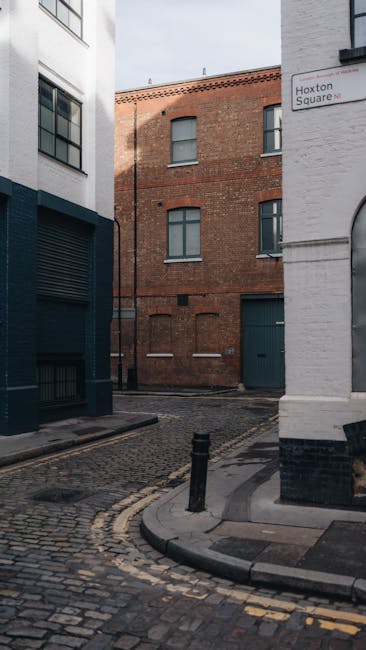
When to book Hoxton bulky rubbish collection for flats
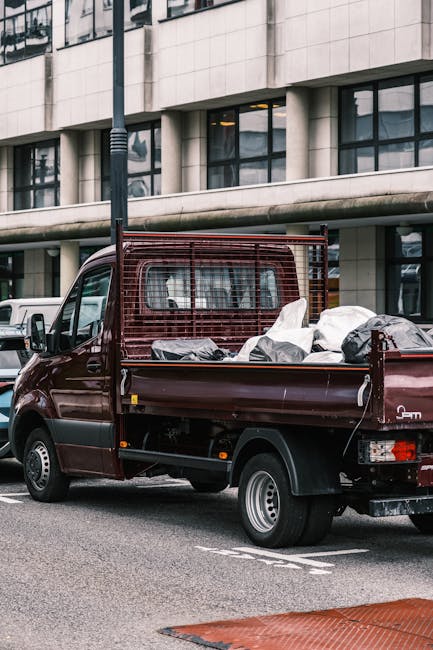
If you live in a flat, bulky waste has a habit of becoming urgent at the least convenient moment. A broken wardrobe leans in the hallway. A sofa blocks the front room. An old mattress is making the spare room feel smaller by the day. That is usually when people start asking when to book Hoxton bulky rubbish collection for flats so they can get the place back under control without turning the stairwell into an obstacle course.
The short answer? Book as soon as the bulky items are confirmed, access is clear enough to move them, and you know what cannot simply go into a normal bin. The longer answer depends on your building, your neighbours, your lift situation, and how quickly you need the space cleared. This guide walks through the best timing, the practical steps, the common mistakes, and the booking signals that save time, stress, and probably a few headaches too.
Why it matters
In a flat, bulky rubbish is rarely just "stuff in the way". It affects access, safety, neighbours, and sometimes the building's shared areas. A sofa left by the door can narrow a corridor. A fridge in a hallway can make moving impossible. A stack of flat-pack furniture can turn a tidy flat into a temporary storage unit nobody asked for.
That is why timing matters. Book too early and you may pay for a collection before the items are actually ready. Book too late and the items sit around for days, collecting dust and annoyance. If you have a move-out date, a landlord inspection, decorators coming in, or a sale completion looming, the timing becomes even more important.
There is also the question of building management. Some blocks in Hoxton are straightforward; others need lift booking, porter coordination, or notice for use of communal areas. The earlier you think through the whole chain, the smoother it goes. To be fair, this is one of those jobs where a bit of planning saves far more time than it costs.
Expert summary: The best time to book bulky rubbish collection for a flat is usually once you know exactly what is being removed, where it is located, and when access is available. If any of those three things are uncertain, sort them first.
How it works
Bulky rubbish collection for flats is not the same as putting a bag out for standard waste. It is a planned removal of large, awkward, or heavy items that need manual loading and suitable transport. Think sofas, beds, wardrobes, appliances, tables, chairs, shelving, exercise equipment, and mixed household clutter.
The process is usually simple, but the details matter:
- You identify the items and estimate the volume.
- You check access routes: stairs, lifts, door widths, parking, and loading points.
- You choose a collection date that fits your schedule and building rules.
- The team removes the items, often from inside the flat, and loads them safely.
- The waste is then sorted, reused, recycled, or disposed of appropriately, depending on what it is made of.
If you are clearing a flat rather than a house, the access point is often the real deciding factor. A third-floor walk-up with narrow stairs needs different planning from a ground-floor apartment with easy courtyard access. And yes, the difference can be the difference between a smooth job and a very awkward one.
For people dealing with furniture in particular, it can help to look at mattress and sofa disposal or the broader furniture disposal service if the load includes multiple large items. If the flat is being emptied more fully, the wider flat clearance option may be a better fit than piece-by-piece removal.
Key benefits and practical advantages
People usually book bulky rubbish collection because they want space back, but the benefits go beyond that. A good collection can reduce risk, save time, and remove the hidden drag that clutter creates. You notice it most in flats, where one awkward item can dominate a whole room.
- Less stress: No need to wrestle a sofa down the stairs by yourself, which is honestly a terrible idea anyway.
- Better access: Hallways, entrances, balconies, and storage cupboards become usable again.
- Cleaner handover: Useful before end-of-tenancy inspections, refurbishments, or moving day.
- Safer shared spaces: Keeps communal corridors and doorways free from hazards.
- More efficient timing: A planned collection is usually far easier than a last-minute scramble.
There is also a subtle benefit people forget: decision relief. Once the collection is booked, you stop moving the same item from one corner to another. That little mental pressure lifts. The room feels lighter almost immediately, even before the truck turns up.
If your bulky waste includes appliances, it is worth checking the right removal route in advance, especially for items like fridges or freezers. The service page for fridge and appliance removal is useful when the load includes electricals that need careful handling.
Who this is for and when it makes sense
This service is a strong fit for tenants, leaseholders, landlords, letting agents, and anyone managing a small flat with no realistic way to move large waste on their own. In practice, the most common booking moments are pretty predictable.
- Before moving out: You need the flat empty for check-out or the next occupants.
- After buying new furniture: The old bed or sofa has to go before the replacement arrives.
- After renovations: Broken units, doors, or leftover materials need proper removal.
- When storage is full: The cupboard, balcony, or box room has quietly become a dumping ground.
- After a bereavement or major life change: A respectful, efficient clearance helps reduce the burden.
It also makes sense when the items are too large for a normal waste round, too awkward for you to carry safely, or too much for your building's standard rubbish facilities. If the job includes broader household contents, home clearance or house clearance may be more suitable depending on the scale.
Truth be told, lots of people wait until the flat feels unmanageable. That works sometimes, but it is easier if you book when the waste first becomes a nuisance rather than a crisis. Why let the hallway become a permanent storage zone?
Step-by-step guidance
If you are trying to work out the best booking point, use this simple process. It keeps things tidy and prevents the usual back-and-forth over what can fit, what cannot, and who is responsible for moving what.
1. Make a list of the items
Walk through the flat room by room and write down everything bulky. Include dimensions if you can. A quick list is enough, but be honest about size. A "small table" sometimes turns out to be a large one that does not fit through the lift. That happens more often than people admit.
2. Check access and building rules
Ask yourself:
- Is there a lift, and is it working?
- Are the stairs narrow or awkward?
- Will bulky items need to pass through shared corridors?
- Is there visitor parking or loading access nearby?
- Does the building require notice for collections?
If the answer to any of those is uncertain, sort it out before you book. It saves everyone a slow, slightly painful morning.
3. Decide whether the collection is urgent
If you are on a hard deadline, book as soon as you have the item list and access information. If the job is flexible, you can line it up with a convenient day, such as when someone is home to unlock the flat or when a larger clear-out is already happening.
4. Separate normal rubbish from bulky waste
Do not mix everything together in your head. General rubbish, bulky items, builders' debris, and appliances can all be treated differently. For mixed waste, a broader waste removal service may be more appropriate. If the load is from a refit or renovation, builders waste clearance is worth considering.
5. Ask about what can and cannot be taken
Some items need special handling, especially anything hazardous, contaminated, or potentially unsafe. That includes certain chemicals, paints, or sharp materials. If you are unsure, it is better to ask than guess. Guessing is how jobs get delayed. Not ideal.
6. Book when the flat is ready, not when you hope it will be ready
This is the big one. Booking based on optimism is risky. Book when the items are actually accessible and the route out of the building is clear. If you are waiting for the final box to be packed, give yourself a sensible buffer. A bit of breathing room helps.
Expert tips for better results
After enough flat clearances, certain patterns become obvious. The smoothest collections are rarely the most dramatic ones; they are the ones where the planning is quietly done in advance.
- Photograph the items before booking. A few clear photos help explain size, condition, and likely access needs.
- Measure anything unusual. Oversized wardrobes, corner sofas, or American-style fridges deserve proper measurements.
- Clear the path first. Shoes, plant pots, bikes, bags, and that random lamp in the hallway all slow things down.
- Book around building quiet hours. Early mornings can be awkward in some blocks; midday often works better.
- Keep pets and children away from the route. It sounds obvious, but in a busy flat the obvious thing is the thing that gets missed.
If you are clearing furniture, the service pages for furniture clearance and furniture disposal can help you think through whether you need a single-item pickup or a fuller room-by-room removal.
One small tip from real life: if you are moving on the same day as a collection, don't leave the bulky items until the last hour. It nearly always creates a bottleneck. Better to have everything ready while you still have daylight, energy, and one functioning coffee in you.
Common mistakes to avoid
Most problems with flat collections come from avoidable assumptions. They seem minor at first. Then they become annoying fast.
- Booking before the items are gathered: A collection should match what is actually ready, not what might be ready by Friday.
- Underestimating access problems: Narrow stairwells and parking restrictions can completely change the job.
- Leaving it until after an inspection: If the flat has to be empty by a set date, book earlier than you think you need to.
- Mixing hazardous or restricted items with general waste: This can cause delays and may require a different handling route.
- Forgetting shared areas: Corridors, lobbies, and lifts are part of the move. If they are blocked, the job gets harder for everyone.
A quieter mistake is assuming bulky collection is only for "messy" flats. Not true at all. Plenty of tidy homes have one or two very large items that simply need professional removal. A clean flat can still have a very awkward sofa.
Tools, resources and recommendations
You do not need fancy equipment to prepare for a collection, but a few practical tools make life easier. A tape measure, a phone camera, a notepad, and a clear route to the door will get you a long way.
For planning purposes, these pages are genuinely useful:
- pricing and quotes if you want to understand how estimates are usually handled.
- recycling and sustainability if you want to know how materials are typically considered after collection.
- what can go in a skip if you are comparing bulky waste with skip-style disposal.
- insurance and safety if you want reassurance around careful handling.
It is also worth keeping a basic checklist in your notes app. Nothing glamorous. Just item names, access issues, and the date you need the space clear. Old-school, yes. Effective, also yes.
Law, compliance, standards, or best practice
When bulky waste comes from a flat, it is sensible to follow UK best practice around safe handling and proper disposal. You do not need to become a waste expert, but a few principles matter.
First, do not leave bulky items in communal areas unless you have permission and a clear collection plan. Shared spaces must remain safe and passable. Second, separate items that may need special care, including anything with glass, sharp edges, liquids, or electrical components. Third, use a provider that is clear about how materials are handled, especially when the waste includes items that could be reused or recycled.
If the waste is hazardous or potentially hazardous, treat it as a separate issue rather than bundling it into a standard removal. That is especially true for unknown chemicals, batteries, or damaged items with spill risks. If in doubt, check hazardous waste disposal guidance on the site and ask for clarity before the booking date.
There is also a broader duty of care mindset here. In plain English, that means waste should be handled responsibly, not dumped casually and not left where it could cause nuisance or danger. Simple, really, but worth saying out loud.
Options, methods, or comparison table
When deciding when to book, it helps to compare the main options. Not every flat needs the same approach.
| Option | Best for | Typical timing | Notes |
|---|---|---|---|
| Single bulky item collection | One sofa, mattress, appliance, or wardrobe | As soon as access is confirmed | Fastest option when the job is simple |
| Multiple bulky items | Several items from one flat | After you have a full list | Better value and less back-and-forth |
| Full flat clearance | End of tenancy, probate, major declutter | Book earlier, especially with deadlines | Most efficient when the flat needs a reset |
| Builders or renovation waste | Refit leftovers, broken fixtures, packaging | Once the work phase is finished | Needs a different waste profile |
The main decision is not really "which service is most popular"; it is which one matches the state of the flat right now. A half-packed lounge and a broken bed frame point to different solutions. Simple enough, but worth checking before you click ahead.
Case study or real-world example
A typical Hoxton flat scenario goes like this. A tenant is moving out of a second-floor apartment and has a sofa, a dismantled bed, two broken dining chairs, and an old TV stand left to clear. The hallway is narrow, the lift is unreliable, and the landlord wants the place empty by the end of the week.
The best move is not to wait until the night before. First, the tenant measures the sofa and checks whether it can be manoeuvred through the stairwell in one piece. It cannot, so it needs to be broken down. Then the tenant makes sure the flat's access window is free, clears the corridor, and lines up the collection for a day when someone can provide entry.
What makes the booking go well is not luck. It is the boring part: a list of items, a clear deadline, and a realistic understanding of access. The result is a tidy exit, no blocked corridor, and one less thing to panic about on moving day. Pretty ordinary, but that is the point.
Practical checklist
Use this before you book. It keeps you honest.
- Have I listed every bulky item that needs removing?
- Do I know whether the items are in the flat, hallway, balcony, or storage area?
- Is access clear through stairs, lifts, and doors?
- Do I know the deadline for the clearance?
- Have I separated general bulky waste from hazardous or special items?
- Do I need a single-item pickup or a fuller clearance service?
- Have I checked parking or loading access near the building?
- Will someone be available to provide entry if needed?
- Have I removed smaller loose items from around the bulky waste?
- Have I asked about recycling, reuse, or responsible disposal?
If you can tick most of those boxes, you are ready to book with far less friction.
Conclusion
So, when should you book Hoxton bulky rubbish collection for flats? The best time is when the items are identified, the access is clear, and your deadline is real. In other words, not too early, not too late, but at the point where the job can actually happen without guesswork.
For most flats, that means booking as soon as you know what needs to go and who can get it out. If you are moving, renovating, or simply sick of stepping around a sofa every morning, the smartest thing you can do is act before the clutter starts shaping your day. A flat feels very different once the bulky stuff is gone. Calmer. Easier. More like home again.
Get a free quote today and see how much you can save.
Frequently asked questions
How far in advance should I book bulky rubbish collection for a flat?
Book as soon as you know the items, the access route, and the date you need them gone. If you have a move-out or inspection deadline, leave yourself a buffer rather than cutting it close.
Can I book collection before my flat is fully packed?
Yes, but only if the bulky items are already identified and accessible. If items are still being used or moved around, it is usually better to wait until they are ready.
What bulky items are usually removed from flats?
Sofas, beds, mattresses, wardrobes, tables, chairs, appliances, shelving, and mixed large household items are common. If you have something unusual, ask before booking.
Is bulky rubbish collection better than hiring a skip for a flat?
Often, yes. Flats can have access limits, parking issues, and communal space restrictions that make a collection service easier than managing a skip. It depends on the building and the amount of waste.
What if I live on an upper floor with no lift?
That is very common in London, and it is exactly why access details matter. Book once you know the stair route, item sizes, and any building rules that could affect removal.
Can I include broken furniture and old appliances together?
Sometimes, yes, but appliances may need separate handling depending on the item. If your load includes a fridge, freezer, or similar item, check the relevant appliance removal guidance first.
How do I know whether I need flat clearance or just bulky rubbish collection?
If you are removing a few large items, bulky collection is usually enough. If the flat needs almost everything taken away, a fuller flat clearance is usually the better fit.
Do I need to be at home for the collection?
Usually, yes, or at least someone needs to provide access. It is worth confirming this when you book so there are no surprises on the day.
What should I do before the team arrives?
Clear the route, move loose items out of the way, and make sure the collection items are easy to identify. A few minutes of prep can make the whole job smoother.
Are there items that cannot go with standard bulky rubbish collection?
Yes. Hazardous or specially handled items may need a separate arrangement. If you are unsure about paints, chemicals, or anything that could leak or pose a risk, check first.
Will the items be recycled where possible?
Responsible providers normally aim to sort items appropriately, with reuse and recycling considered where practical. The exact handling depends on the material and condition of the waste.
What is the biggest mistake people make when booking from a flat?
The most common mistake is assuming access will be easy enough without checking. In flats, access is half the job. Sometimes more than half, if we're being honest.
For any final questions about service fit, building access, or the kind of waste you have, you can also review flat clearance, waste removal, and the site's guidance on recycling and sustainability. That little bit of reading often clears up more than people expect.